
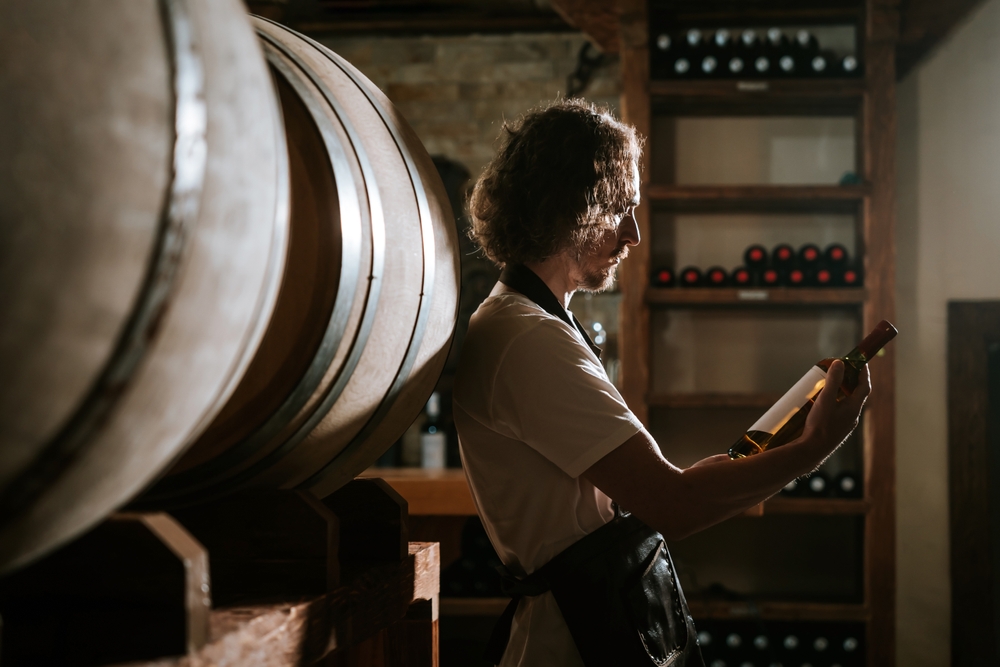
Sommeliers play an important role in providing quality service and maintaining the luxury associated with upscale restaurants. Unlike hosts and servers, the sommelier’s duties are very specific. They are responsible for the entirety of the wine service, including building the wine list, creating complementary pairings and personally delivering the wine to patrons.
While the word ‘sommelier’ dates back to pre-industrial France, it’s actually a relatively modern profession. And, thanks to the rise of social media, even people who don’t partake in fine dining are aware of it. For those who wish to progress within the role – like Matt Scammell, freelance sommelier and aspiring Master of Wine – this renewed interest has been incredibly influential.
However, factors including shifting establishment priorities and the need for financial cutbacks have convinced many people that sommeliers are no longer needed. But that simply isn’t true. Without dedicated sommeliers, wine service in fine-dining restaurants will decline, reducing the expertise and engagement that should be offered by such establishments.
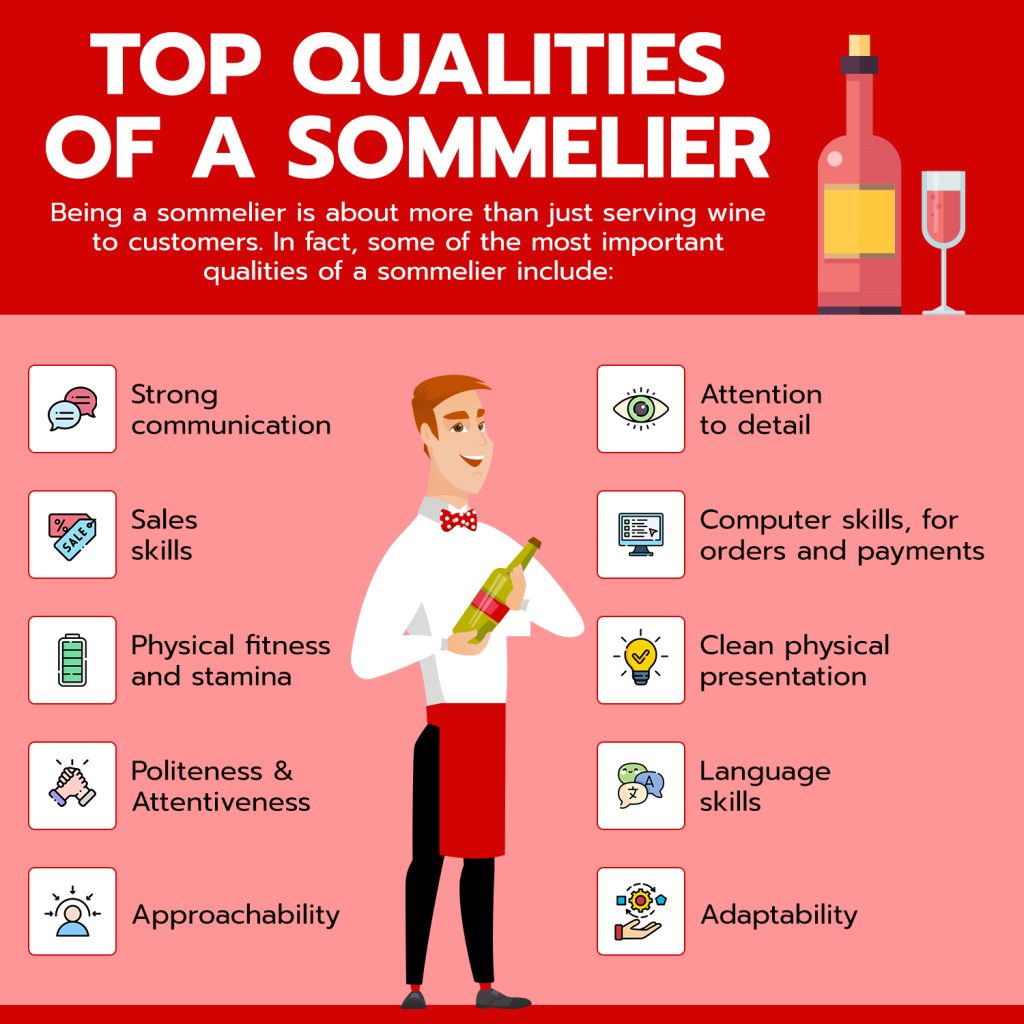
Luckily, in many ways, the role of sommeliers is constantly evolving in the contemporary hospitality industry, presenting various exciting opportunities for future professional growth. Being a sommelier is about so much more than simply providing good service. The sommelier is specifically charged with creating perfect wine pairings for the menu, which requires a wealth of knowledge about different wines.
The more technical and educational sides of the job have innovated the sommelier role in recent years, expanding not only within hospitality but also within the broader wine industry. Sommeliers can now find work in shops, wineries, vineyards and as independent wine consultants for clients. It may even become possible for sommeliers to incorporate machine learning into their work, using modern technology to create the perfect flavour pairings.
With enough dedication and hard work, it’s possible to further advance in the profession and become a Master Sommelier. Fewer than 300 people have ever successfully completed the Master Sommelier Diploma, making it one of the most challenging certifications in the wine industry. Earning this title opens up top-level opportunities to further grow a career as a sommelier.
The industry is also recognising the importance of retaining and rewarding its sommeliers. Without them, restaurants lack the upscale wine etiquette that customers at high-end establishments expect. Sommeliers have specific expertise that waiters don’t, allowing them to create relationships with customers and provide a unique, five-star restaurant experience. A sommelier is an investment in the hospitality industry, and the role will only continue to grow and evolve.